
Unapproved Building Work? How to Regularise Plans in Gauteng
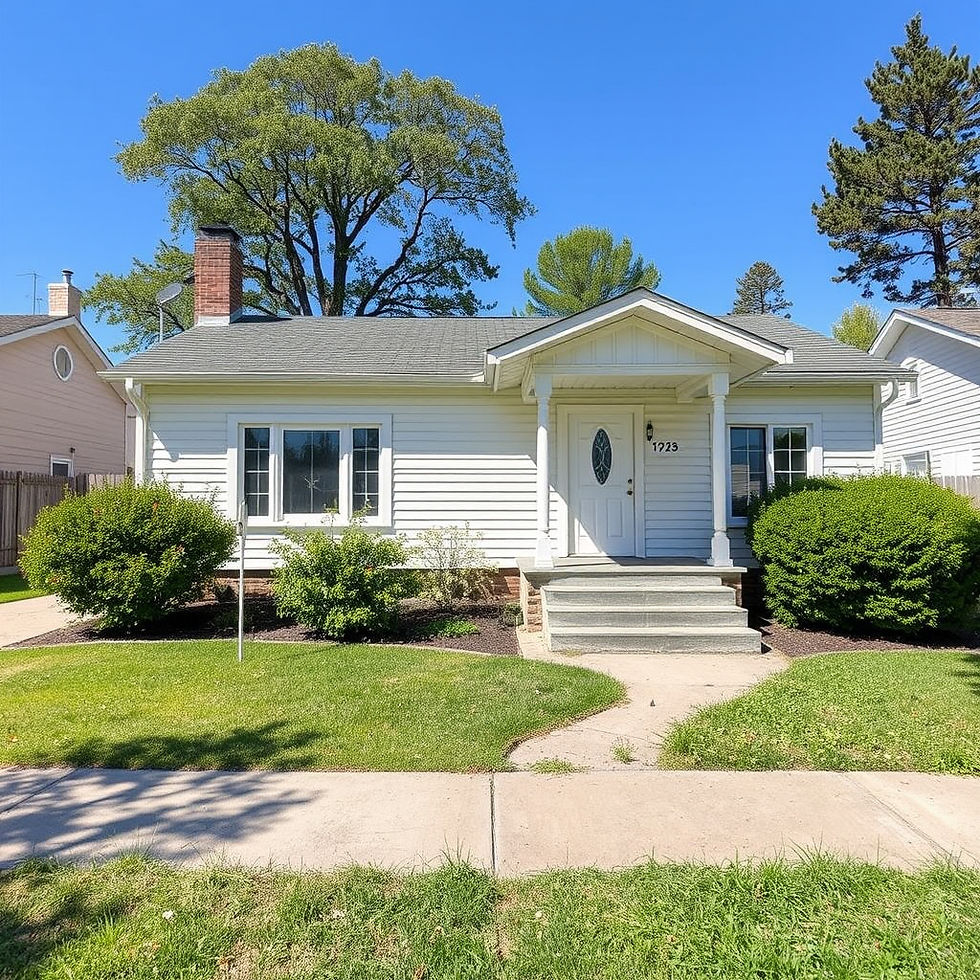
A garage converted into a bedroom, an enclosed patio, a carport, a granny flat added years ago. Unapproved building work is extremely common in South Africa, and it usually surfaces at the worst possible moment: during a sale, a bond application or an insurance claim.
The good news is that most unapproved work can be regularised. Here is how.
What Is Plan Regularisation?
Regularisation means submitting plans to the municipality for building work that has already been built without approval. If the work complies with the building regulations and zoning, the municipality can approve it, usually with an additional fee or penalty for building without prior approval.
Why It Matters
Selling: buyers and their banks may require approved plans that match what is on site
Liability: in many sale agreements, the seller warrants that all structures are approved
Insurance: unapproved structures may complicate claims
Safety: regularisation confirms the work is structurally and legally sound
Legal risk: the National Building Regulations and Building Standards Act makes building without approval an offence
Step-by-Step Process
1. Find Out What Is Approved
We request the existing approved plans from the municipality and compare them with what is actually on site.
2. Measure the Building
We survey the property and prepare accurate as-built drawings of everything that exists. LiDAR scanning makes this faster and more accurate, especially on larger or complex properties.
3. Check Compliance
We check the unapproved work against SANS 10400, building lines, coverage and the title deed. Some items may need changes, such as adding ventilation, fire separation or structural confirmation from an engineer.
4. Resolve Planning Issues
If a structure encroaches on a building line, a building line relaxation may be needed, which can require neighbour consent. Larger issues may need a town planning application.
5. Submit and Follow Up
The regularisation plans are submitted to council with supporting documents, and we follow up until approval.
6. Certificates and Close-Out
Once approved, the outstanding compliance certificates and, where needed, an occupancy certificate can be obtained.
Tips for Sellers and Buyers
Sellers: start regularisation before you list the property. It can take longer than a typical transfer.
Buyers: ask for approved plans and compare them with the building before signing an offer to purchase.
Everyone: don't assume old work is "grandfathered". If it was never approved, it still needs approval.
How TectArch Helps
We prepare as-built drawings, handle compliance checks, coordinate engineers and manage the municipal process in Johannesburg, Ekurhuleni, Tshwane and surrounding areas.
Book a Site Assessment to get expert advice before you spend on plans.
Written by Kekeletso Motsieloa, Architectural Design Team, TectArch Architects.


Comments