
Transforming Old Spaces: Essential Tips for an Extraordinary Renovation Journey
Updated: Oct 4
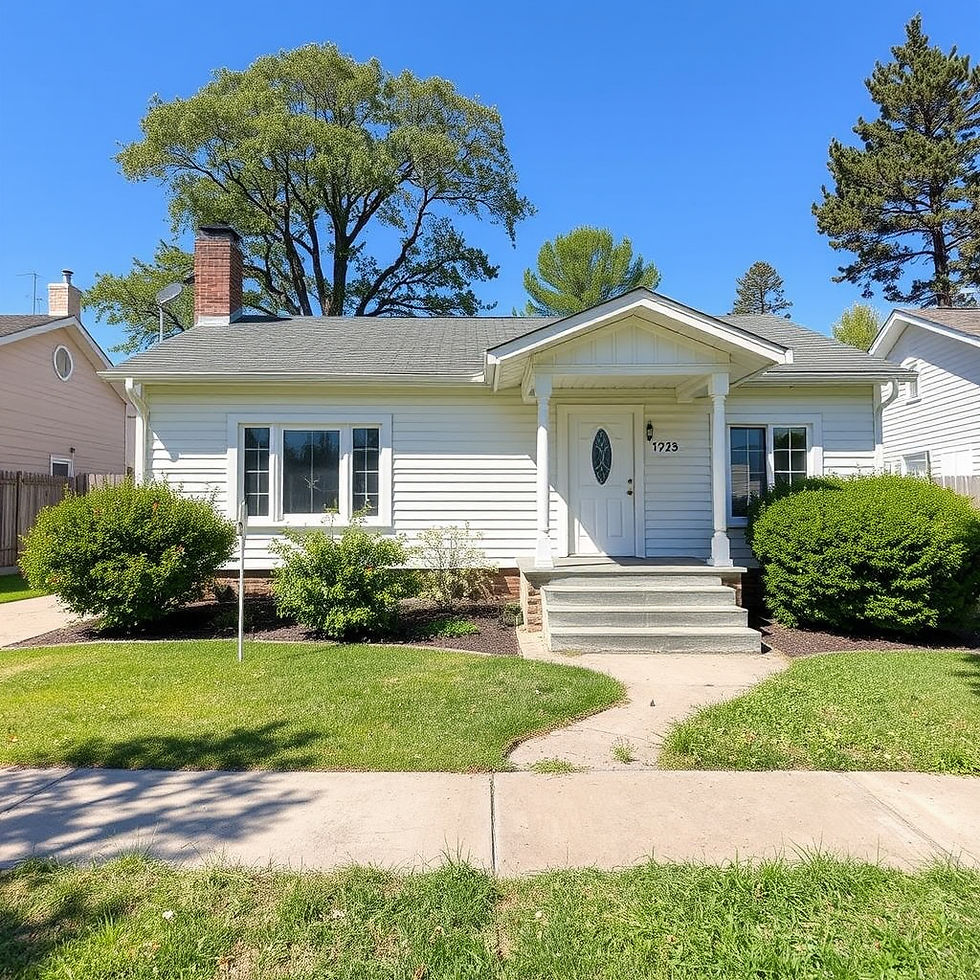
Renovating an old building is more than fixing what’s broken. It’s about imagining what the space can become. With careful planning, creativity, and expert help, even the most outdated property can turn into a modern, functional, and impressive place. Whether you want to update your home, commercial space, or an old property, some key steps will help you achieve a successful renovation.
Start With Research
Before you hire contractors or an architect, or start demolition, gather information. Research helps you understand what you want and what’s possible.
Look into:
Modern design trends that fit your style
Space layouts that improve flow and usability
Creative ways to update old finishes without losing character
Energy-saving upgrades that reduce costs and environmental impact
New building materials and technology that improve durability and comfort
The more you learn, the clearer your renovation plan becomes. Think of research as the foundation of your project. A strong foundation leads to a better final result.
Know Your Budget Before You Begin
Your budget connects your renovation dreams to reality. Planning your finances early avoids surprises later.
Consider costs for:
Construction work and materials
Finishes like flooring, paint, and fixtures
Furniture and decor
Structural changes such as removing walls or adding rooms
Fees for contractors, architects, and permits
A contingency fund for unexpected problems
Old buildings often hide issues like damaged pipes, wiring, or damp walls. Setting aside extra money helps you handle these without stress.
Consult a Professional Architect

DIY ideas and online inspiration are great, but an architect brings your renovation to the next level.
An architect can:
Maximise your space layout for better use and flow
Ensure all changes are safe and meet building codes
Suggest creative solutions you might not think of
Prepare drawings and handle council approvals under SANS 10400
Help avoid costly mistakes that waste time and money
Renovation is about redesigning a space’s story. An architect makes sure that story is beautiful, practical, and safe.
Collaboration Is Powerful — Communicate Everything

Successful renovations depend on clear communication between you, your architect, contractors, and suppliers.
Make sure to:
Share your vision, needs, and concerns openly
Ask questions and request updates regularly
Keep records of agreements and changes
Be ready to make decisions promptly to keep the project moving
Good communication prevents misunderstandings and delays. It helps everyone work toward the same goal: a remarkable transformation.
Choose Materials Wisely
Old buildings often have unique features worth preserving. When selecting materials, balance respect for the original character with modern needs.
Tips for material choices:
Use reclaimed wood or bricks to keep authentic charm
Pick durable, low-maintenance finishes for high-traffic areas
Choose energy-efficient windows and insulation to improve comfort
Consider eco-friendly paints and adhesives to reduce toxins
Smart material choices improve your space’s look and function while supporting sustainability.
Plan for Energy Efficiency
Renovations offer a chance to make your building more energy-efficient, saving money and reducing environmental impact.
Focus on:
Upgrading insulation in walls, roofs, and floors
Installing energy-efficient heating, cooling, and lighting systems
Using smart thermostats and controls
Adding solar panels or other renewable energy sources if possible
Energy upgrades increase comfort and lower utility bills, making your renovation a long-term investment.
Prepare for Surprises
Old buildings can hide unexpected challenges. Prepare mentally and financially for surprises.
Examples include:
Structural damage needing extra repair
Outdated wiring or plumbing requiring replacement
Hidden mould or dampness needing treatment
Having a flexible mindset and a contingency budget helps you handle these issues without losing momentum.
Focus on Functionality and Flow

A beautiful renovation also needs to work well for daily life or business.
Think about:
How people move through the space
Storage needs and organisation
Lighting for different activities
Accessibility for all users
Design with function in mind to create a space that feels comfortable and efficient.
Planning a renovation or extension?
TectArch Architects is an award-winning, PrArch-led practice based in Johannesburg. We measure existing buildings (including LiDAR scanning for accurate as-built drawings), design the alterations and take them through council approval.
Book a Site Assessment to get expert advice before you spend on plans.
Written by Mphatso Msiska, TectArch Architects.


Comments