
Debunking Common Myths About Architecture
Updated: Oct 4

Architecture is often seen as an elusive field filled with complex designs and technical jargon. This can make it intimidating for those unfamiliar with the subject. However, at its core, architecture is about creativity, problem-solving, and collaboration that significantly influence our lives and interactions with our surroundings. In this article, we will clear up common misconceptions about architecture and reveal what the profession truly entails.
Myth 1: Architects Just Draw Buildings
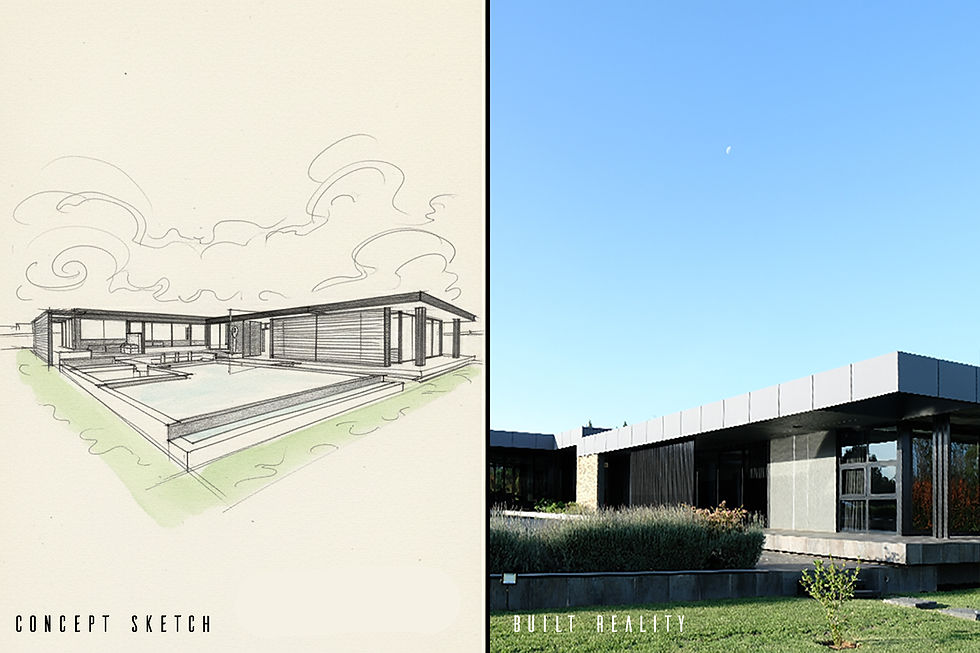
Many people believe architects only create attractive drawings of buildings. In reality, architects are problem solvers. They balance artistic creativity with practical functionality. For example, when designing a community centre, an architect must create a space that not only looks appealing but also supports activities for various age groups. Every design choice, such as the size of windows for natural light or the layout for optimising foot traffic, serves a specific purpose.
Myth 2: Architecture Is Only About Design

Design is a significant part of architecture, but it is not the whole picture. Behind every drawing lies extensive coordination, research, documentation, and communication. Architects must understand regulations, materials, sustainability, and even finance. They work closely with engineers, clients, and contractors to ensure that every project progresses smoothly — from concept to construction.
Myth 3: It’s a Solo Profession

Architecture is highly collaborative. Teamwork is essential during every phase, from brainstorming with clients to conducting design reviews and project updates. On a public park, for example, the architect works closely with landscape architects, civil engineers and community members to refine the design so that it reflects the needs of the whole community.
Myth 4: It’s All About Big Buildings

Contrary to popular belief, architecture is not only about grand skyscrapers. It includes a wide variety of projects that improve our everyday lives. Consider a local café designed by an architect to optimise outdoor seating and create a welcoming atmosphere. Even small-scale residential homes can significantly impact a community, enhancing connections among neighbours and creating a sense of belonging.
The Role of Architects in Society
Architects significantly influence society by designing environments that encourage community interaction and promote sustainable practices. Urban regeneration shows this clearly: turning a run-down area into a mixed-use neighbourhood with green spaces, pedestrian routes and places to gather can transform residents' quality of life.
The Importance of Sustainability in Architecture

Sustainability is an urgent concern in modern architecture. Architects now face the challenge of creating buildings that are both environmentally friendly and energy efficient. For instance, they might use recycled materials, install solar panels, and design for optimal natural light. Over a building's lifetime, these choices add up to significant savings on energy and water.
The Process of Architectural Design
The architectural design process involves several key stages:
Conceptual Design: Architects brainstorm and sketch initial ideas based on client needs and site analysis. This may include identifying how many rooms are necessary for a family or how much parking space is required for a new office building.
Schematic Design: In this phase, architects produce more detailed drawings and models to visualise spatial relationships and functionality.
Design Development: Here, architects refine their designs, choose materials, and ensure all plans comply with relevant regulations.
Construction Documents: Detailed drawings and specifications are prepared to guide the construction process.
Construction Administration: Architects oversee construction, ensuring adherence to the original design and quality standards.
Collaboration with Other Professionals
Architects do not work alone. They collaborate with engineers, urban planners, and landscape architects to create cohesive designs. When revitalising an inner-city precinct, for example, architects work with city planners to ensure that the new design fit within existing infrastructure and met the community's needs.
The Impact of Technology on Architecture

Technology has transformed architecture dramatically. Advanced software enables architects to create intricate 3D models and conduct simulations, allowing for more precise design and better client communication. For example, using virtual reality, clients can take immersive tours of a new building before construction begins, helping them visualise the final product.
The Future of Architecture
As society progresses, so does architecture. Future trends will likely emphasise sustainability, smart technologies, and the adaptive reuse of old structures. Architects will face challenges like climate change and urbanisation while remaining pivotal in shaping our built environment.
Wrapping Up
Architecture is a complex and rich profession that encompasses much more than simple design. It involves creative problem-solving, teamwork, and a deep understanding of how spaces affect our lives. By addressing myths surrounding architecture, we can recognise its complexity and vital role in our world. From large urban developments to cosy community spaces, architects shape environments that impact our daily experiences. Understanding these realities can deepen our appreciation for architecture and the professionals devoted to designing it. In an ever-changing world, architects will continue to play a crucial role in creating spaces that inspire connection, sustainability, and innovation.
Working with an architect for the first time?
TectArch Architects is an award-winning, PrArch-led practice based in Johannesburg. We explain every step in plain language, from concept to council approval and site handover.
Book a Site Assessment to get expert advice before you spend on plans.
Written by Mphatso Msiska, TectArch Architects.

Comments