
Why Sustainable Design Matters in Residential Architecture

Updated: Oct 4

Sustainable design is no longer a trend; it’s an essential part of creating homes that are healthier, more efficient, and more resilient. For homeowners, building sustainably is not just about being environmentally conscious; it’s about improving quality of life, reducing long-term costs, and investing in a home that performs well far into the future.
1. Lower Energy Bills and Long-Term Savings
A sustainably designed home uses energy more efficiently. Features like proper insulation, energy-efficient windows, and solar systems help reduce monthly utility costs. Although some systems may require a higher initial investment, they significantly reduce operational costs over time, making sustainability a financially sound choice.
2. A Healthier Indoor Environment
Sustainable homes use materials and systems that improve indoor air quality. Low-VOC paints, natural finishes, proper ventilation, and non-toxic building materials create safer, healthier living spaces. Better airflow and moisture control also reduce mould, improving comfort and overall well-being.
3. A Home That Works with the Climate, Not Against It
Passive design strategies such as correct orientation, natural shading, and thermal mass help regulate indoor temperatures naturally. This reduces reliance on mechanical heating and cooling systems, enhances comfort, and lowers energy use. It’s about designing a home that harmonises with its environment.

4. Green Roofs for Insulation and Biodiversity
Green roofs are becoming an important element in sustainable residential design. They provide natural insulation, helping regulate indoor temperatures while reducing energy demands. In addition, they support local biodiversity by creating habitats for insects and birds. Green roofs also manage stormwater more effectively and soften the visual impact of buildings within natural landscapes, contributing to healthier ecosystems and more beautiful environments.
5. Reduced Environmental Impact
Sustainable design aims to minimise the ecological footprint of a home. Choosing responsible materials, reducing construction waste, and integrating water-saving fixtures help conserve natural resources. These strategies create homes that tread lightly on the environment while still offering modern comfort and luxury.
6. Smart Water Management: Septic Tanks and On-Site Systems
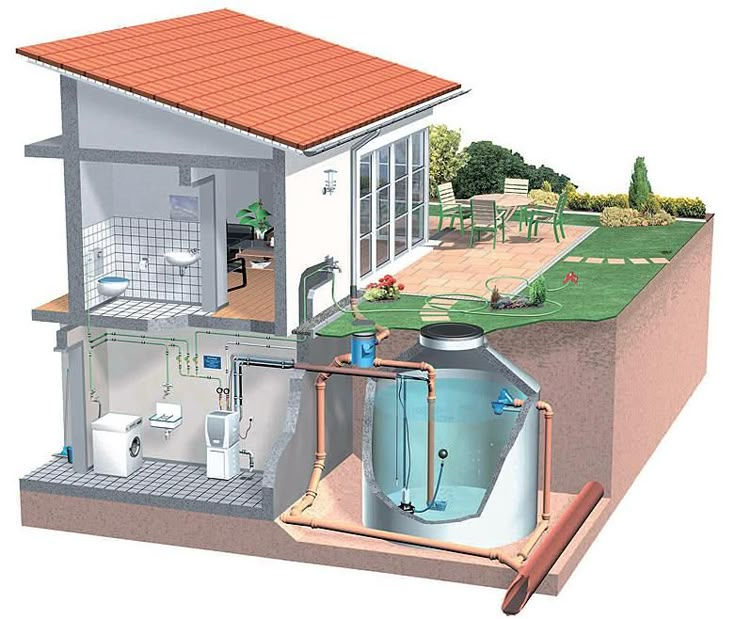
In areas without reliable municipal infrastructure, or where clients prefer greater independence, septic tanks and on-site wastewater treatment systems offer an effective, sustainable solution. Properly designed systems are eco-friendly, reduce strain on public resources, and ensure that water is processed safely on the property. When paired with greywater recycling and rainwater harvesting, a home becomes far more efficient in its water usage.
7. Going Off-Grid for Energy Independence
More homeowners are embracing off-grid or partially off-grid living. With solar panels, battery storage systems, gas backup, and energy-efficient appliances, a home can operate independently from the national grid. This reduces monthly costs and protects homeowners from load-shedding or grid instability, while promoting clean, renewable energy use.
8. Futureproofing Your Home
Sustainable homes are designed to withstand changing climate conditions and evolving environmental challenges. They remain comfortable during extreme weather events, adapt to shifts in energy availability, and maintain long-term performance. This resilience increases property value and ensures long-term liveability.
9. Enhancing Comfort and Quality of Life
Good sustainable design prioritises comfort. Natural light, good ventilation, outdoor living spaces, and thoughtful material choices all contribute to a home that feels better to live in. These qualities support mental and physical well-being and bring nature closer to everyday domestic life.

10. Adding Market Value
Homes designed with sustainability in mind tend to have higher resale value. Buyers increasingly look for features such as solar power, efficient heating and cooling, green roofs, and water-saving systems. Sustainable homes are modern, future-ready, and more appealing in a competitive property market.
For clients, sustainable design is an investment in comfort, independence, health, and long-term value. Incorporating green roofs, on-site wastewater systems, and off-grid power solutions ensures that a home isn’t just beautiful; it’s efficient, resilient, and environmentally responsible.
Planning a sustainable or off-grid home?
TectArch Architects is an award-winning, PrArch-led practice based in Johannesburg. We design energy-efficient, solar-ready and water-wise homes that meet SANS 10400-XA and stay comfortable through load-shedding.
Book a Site Assessment to get expert advice before you spend on plans.
Written by Mphatso Msiska, TectArch Architects.


Comments